
Evaluation of Synergistic Formulation Extract of Traditional Contraceptive Plants for Acute Oral Toxicity
In folk medicine, certain plants are used to prevent pregnancy. The purpose of the study was to evaluate the synergistic formulation of conventional contraceptive herb’s acute toxicity. Acute toxicity refers to a negative change that happens right away after exposure to a drug. Using OECD-423 recommendations, the acute toxicity of crude oil and its aqueous extract was assessed after oral administration to female mice. 2000mg/kg of a high extract was provided as a single dosage, and the effects on mortality, behavioural pattern, and spontaneous movement (Locomotor activity) of the body were assessed. The upper limit of 2000 mg/kg did not result in any fatalities. The results indicated that both aqueous and petroleum ether had LD50 values more than 2000 mg/kg. Consequently, plant synergistic extract is safe. This research can be used to determine the dose structure for future experiments evaluating the efficacy of natural contraceptive herbs.
Introduction
People have been looking for natural remedies for their illnesses since ancient times. For many people all throughout the world, traditional medicine is being practiced according to an ancient tradition. The study of medicinal plants has received more attention, and a wealth of data has been gathered to demonstrate their enormous potential in a number of traditional health systems. Since a thousand years ago, plants have been widely used as medicines, and the usage of herbal products should be supported by scientific evidence to ensure that the plants are safe for consumption.
Numerous herbs that have been utilized for millennia by traditional healers have been the subject of investigations in recent years [1]. The items made from medicinal plants are now widely used in basic healthcare, and some are thought to be naturally safe because they derive from natural sources. Plant items are now frequently utilized as self-medication without compromising health consequences due to this assumption. According to Karandikar’s study Vaghasiya YK, et al. [2, 3], polyherbal formulations are frequently utilized to promote human health. Herbal medicines come in a variety of chemicals in complex matrices, and neither one active ingredient nor a mixture of them can be said to be entirely responsible for the drug’s overall efficacy [4]. Through ethnobotanical and ethno pharmacological studies, a significant number of plant species have been identified as potential sources of medicinal compounds and purified products [5]. The preparation and administration of whole plants or specific plant parts as oral decoctions, steam baths, infusions, or enemas. Most medicines are a combination of different components from two or more plant species that cooperate.
Ricinus communis L., Moringa oleifera Lam., Sapindus emarginatus Vahl., Crotalaria juncea L., and Trigonella foenum-graecum L. are examples of traditional contraceptive plants that are used in folk medicine as alcoholic and aqueous preparations to prevent pregnancy [6]. To verify safety and to determine the lethal dose (LD50) value of plant extract, an acute toxicity research was conducted. “LD50” stands for the concentration of a drug needed to kill 50% of test subjects (lab rats or other animals). Three animals of the same sex are employed in the acute toxic class method, which uses three animals for each fixed dose level. Depending on the results, a choice is taken regarding whether additional testing is required [7]. In the current investigation, oral acute toxicity testing was done on a synergistic petroleum and aqueous extract of Ricinus communis L., Moringa oleifera Lam., Sapindus emarginatus Vahl., Crotalaria juncea L., and Trigonella foenum-graecum L. According to Organization for Economic Cooperation and Development (OECD) guideline [8], an acute oral toxicity investigation was carried out on female mice.
Material and Methods
Collection of Plant Material
From their native habitat, fresh seeds of Ricinus communis L., Moringa oleifera Lam., Sapindus emarginatus Vahl. , Crotalaria juncea L., and Trigonella foenum-graecum L. were collected. Plant samples were gathered from different parts of Ahmednagar District, Maharashtra, India and identified by the Western Circle Botanical Survey of India in Pune. The voucher specimens were deposited in the BSI Herbarium in Pune.
Extraction of Plant Material
The collected seeds were cleaned, dried, and ground into a fine powder in a grinder. 250 gm of the powdered seed samples were used to extract the petroleum ether using either hot continuous extraction or the Soxhlet method [9, 10]. In this technique, a permeable bag containing a fine ground sample was inserted in the Soxhlet apparatus thimble chamber.
Heat from the bottom flask’s heating of the petroleum ether solvent caused it to evaporate into the sample thimble, condense in the condenser, and drip back. It is a never-ending process. A rotary evaporator was used to remove the solvent when the procedure was complete, leaving a tiny yield of extracted plant material (between 10 and 15 ml) in the glass bottom flask. This technique has the advantage of allowing for the extraction of substantial amounts of medication using far less solvent. Until the acute oral therapy, the extract was kept at 40°C. When the animals were dosed, an aqueous extract was made. With distilled water, it was made. Separate extractions were made from powdered seed samples.
Synergistic Formulation
Select plant seed aqueous extracts were combined in a 1:1:1:1:1 ratio. Petroleum ether extracts were prepared in a similar manner by mixing together and were combined in equal amounts.
Ethical Approval
The experimental protocol was acknowledged by the authors as having received institutional animal ethics committee approval (RP31/1516). The work was done at the Pune-based Apt Research Foundation. There was just one use for each species. At the conclusion of the investigation, all animals were slain for ethical reasons. In accordance with the Guidelines for Care and Use of Laboratory Animals, the experimental protocol was followed. Every guideline was observed, as well as any applicable national laws.
Experimental Animals
Female mice (4-6 weeks old) were chosen in accordance with OECD recommendations8. Female mice were chosen because, according to literature reviews of the standard LD50 test, there typically isn’t much of a sensitivity difference between sexes, and in those instances where there is, females are typically shown to be a bit more sensitive [11]. The animals were kept in a properly ventilated animal home with a 12-hour cycle for light and dark. The animals were chosen at random, marked to enable for individual identification, and kept in their cages for at least 5-7 days before dosing to give them time to get used to the lab environment.
Acute Toxicity Studies
Animal experimentation and care were conducted in accordance with OECD-423 testing recommendations. The bare minimum of animals was used to calculate the synergistic formulation’s acute oral toxicity. The experiment was carried out in stages, with steps I and II including 12 animals each. The greater dose of 2000 mg/kg was administered since the herbal dose was thought to be safe.
In Step I, three female mice were given the synergistic aqueous extract orally at a dose of 2000 mg/kg, while another three mice were given the pet ether extract at the same dose of 2000 mg/kg (200 mg of extract mixed in 1 ml of water and dosed according to body weight). Each mouse, weighing on average 20 g, received 0.2 ml.
The animals were denied food for 4 hours before and 2 hours after the dose. Feed but not water was withheld for three to four hours after the extracts were administered. For a total of 14 days, animals were continuously observed individually at least once and occasionally during the first 24 hours (with special attention being paid during the first 4 hours). Seven days following step I, three additional female mice were given the aqueous extract at a dose of 2000 mg/kg, and three animals were given the pet ether extract at a dose of 2000 mg/kg. For these species, the same observations were made repeatedly.
Every observation was methodically recorded, and separate records were kept for every animal. The data will be helpful in choosing the right starting dose and assessing the test’s applicability for safeguarding human health and the environment.
Visual Observation
If the animals continue to exhibit toxic symptoms, more observations were required. Changes in the eyes, mucous membranes, skin, and fur are among the observations respiratory, cardiovascular, autonomic, and central systems
Result
behaviour patterns and neurological systems. The focus was given to tremor, convulsion, and salivation observations Lethargy, drowsiness, coma, and diarrhoea. Any symptoms of illness, including any behavioural alterations or treatment responses were noted for specific species.
Prior to starting treatment, a physical assessment of the animals was done to make sure they were in good health. Within the first eight hours following the treatment period and then every day for the following 14 days, the mice were attentively watched for any signs of toxicity effect. After a 7-day period, the remaining animals were weighed and visually observed for mortality, behavioral pattern changes such weakness, aggression, refusing food or drink, diarrhoea, salivation, discharge from the eyes and ears, noisy breathing, and changes in behaviour activity. Throughout the course of the investigation, each treated group had meticulous daily monitoring for coma, severe pain, or any signs of sickness. In this investigation, there were no reported deaths in the first or second steps of the petroleum ether extract, but in the second stage of the aqueous extract, one female mouse died. According to the current investigation, aqueous and petroleum ether have LD50 values larger than 2000 mg/kg.
The weight of each animal was recorded shortly before the test chemical was given and at least once a week following. Weight change was calculated and noted. Animals that made it through the test were weighed (Graph 1).
| Aq. Ext | Animal No. | Sex | Body weight in gram | ||||
|---|---|---|---|---|---|---|---|
| Step I | Day 0 | Day 7 | Difference in Day 7 | Day 14 | Difference in Day 14 | ||
| 1 | F | 20.5 | 25 | 4.5 | 27 | 6.5 | |
| 2 | F | 20 | 24 | 4 | 27 | 7 | |
| 3 | F | 19.5 | 23 | 3.5 | 26 | 6.5 | |
| Mean | 20 | 24 | 4 | 26.7 | 6.7 | ||
| SD | 0.5 | 1 | 0.5 | 0.6 | 0.3 | ||
| Step II | 4 | F | 20.5 | 25 | 4.5 | 28 | 7.5 |
| 5 | F | 18.5 | 24 | 5.5 | 27 | 8.5 | |
| 6 | F | 17 | Death | ||||
| Mean | 18.7 | 24.5 | 5 | 27.5 | 8 | ||
| SD | 1.8 | 0.7 | 0.7 | 0.7 | 0.7 |
Table 1: Acute oral toxicity in Aqueous Extract of Synergistic formulation. The LD50 value of all the extracts was found to be gr
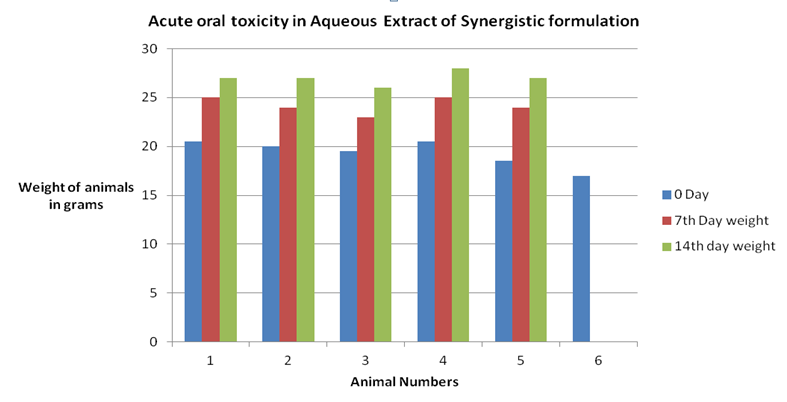
Graph 1: Acute Oral Toxicity in Aqueous Extract of Synergistic Formulation.
Acute Toxicity
The limit test dose of 2000 mg/kg was employed in the acute oral toxicity research, which was carried out in accordance with OECD standards 423. Three female mice were given the complementary aqueous and petroleum ether extracts once, up to a maximum of 14 days. In the same days, neither the mice treated with aqueous extracts nor those treated with petroleum ether died. So, three additional mice received the same treatment of synergistic extracts. In the current study, no deaths were noted during the first or second steps of the petroleum ether extract, however it was discovered that a mouse had died during the second stage of the aqueous extract. Other than that, all of the mice were active and had normal respiratory patterns in both steps.
Locomotor activity did not change significantly at all. The estimated figures indicate that petroleum ether and aqueous solutions both have LD50 values that are more than 2000 mg/kg. The acute oral toxicity investigation was conducted in compliance with OECD standards 423 and used a limit test dose of 2000 mg/kg. The complimentary aqueous and petroleum ether extracts were administered to three female mice once for up to a total of 14 days. Both the mice treated with petroleum ether and the aqueous extracts did not pass away on the same day. Three more mice were treated with the same combination of synergistic extracts.
Locomotor activity did not change significantly at all. The estimated figures indicate that petroleum ether and aqueous solutions both have LD50 values that are more than 2000 mg/kg. The acute oral toxicity investigation was conducted in compliance with OECD standards 423 and used a limit test dose of 2000 mg/kg. The complimentary aqueous and petroleum ether extracts were administered to three female mice once for up to a total of 14 days. Both the mice treated with petroleum ether and the aqueous extracts did not pass away on the same day. Three more mice were treated with the same combination of synergistic extracts. During the first and second stages of the petroleum ether extract in the current investigation, no deaths were reported; nevertheless, it was found that a mouse had passed away during the second stage of the aqueous extract. The mice were all active and had typical respiratory patterns in both steps, other from that.
Physical examinations revealed no signs of irritability, hostility, diarrhoea, discharge from the eyes and ears, etc. Body weights and treatment-related alterations like heart rate and respiration rate remained normal throughout the course of treatment. Throughout the duration of monitoring, there were no clinical indications of toxicity or treatment- related mortality in the mice. The animals seemed to be in excellent health, and they were moving around normally.
Body Weight
One crucial body weight criterion was taken into consideration while measuring acute oral toxicity. On test day 1 (pre-administration fasting weight), as well as on days 7 and 14, following treatment, the body weights were taken.
The body weight information is shown in Tables 1 & 2. The findings demonstrated that, with the exception of one mouse, female mice receiving an immediate oral dose of crude aqueous and petroleum ether extracts of synergistic formulations at 2000 mg/kg did not die for 7 or 14 days of observation.
Body weight was assessed before and after the treatment for 0–7 and 7–14 days. The body weight increased steadily in step-I of the aqueous extract from mean 20.0 0.5 to 26.7 0.6 gm. It demonstrated that no toxicity was noticed during the initial round of treatment. The second step was completed in accordance with OECD recommendations because there was no mortality.
Three additional female mice with comparable physical characteristics received a similar course of therapy. It was regarded as step two. The second step was increasing each mouse’s body weight from 18.7 1.8 to 27.5 0.7 gm. In a limit test, one of the mice was dead, however this is minimal according to OECD-423 guidelines.
| Pet. Ether | Animal No. | Sex | Day 0 | Day 7 | Difference In Wt. Day 7 | Day 14 | Difference In Wt. Day 14 |
|---|---|---|---|---|---|---|---|
| Step I | 1 | F | 18.5 | 24 | 5.5 | 26 | 7.5 |
| 2 | F | 17 | 20 | 3 | 24 | 7 | |
| 3 | F | 21.5 | 23 | 1.5 | 26 | 4.5 | |
| Mean | 19 | 22.3 | 3.3 | 25.3 | 6.3 | ||
| SD | 2.3 | 2.1 | 2 | 1.2 | 1.6 | ||
| Step II | 4 | F | 22 | 25 | 3 | 29 | 7 |
| 5 | F | 19.5 | 24 | 4.5 | 27 | 7.5 | |
| 6 | F | 21 | 25 | 4 | 29 | 8 | |
| Mean | 20.8 | 24.7 | 3.8 | 28.3 | 7.5 | ||
| SD | 1.3 | 0.6 | 0.8 | 1.2 | 0.5 |
Table 2: Acute oral toxicity in Petroleum Ether Extract of Synergistic formulation. The LD50 value of all the extracts was found
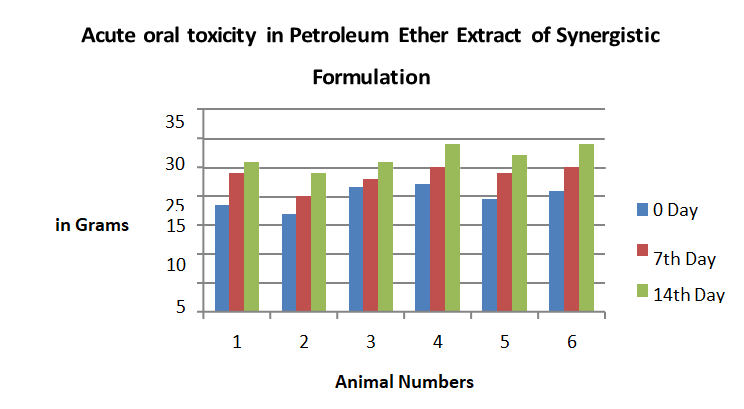
Graph 2: Acute Oral Toxicity in Petroleum Extract of Synergistic Formulation.
Giving the therapy of petroleum ether extract allowed researchers to examine the assessment of acute oral toxicity. Petroleum ether was used to extract the synergistic formulation. The treatment was administered to the animals in a manner identical to aqueous extract. The body weight of mice was rapidly increased during the first stage of therapy with 2000mg/kg for 7 days, and then it continued in the same way for 14 days. From 19 2.3 to 25.3 1.2 g, the weight rose. It revealed that the mean body weight of each mouse increased by 6.3 grams following treatment (Graph 2).
Since there were no fatalities in Step-I, Step-II involved treating a second batch of three mice with an identical procedure. In step-II, similar information on the body weight of female mice was also acquired. The mice were in good health in accordance with the values shown in Table 1.
When animals were given specific plant extracts in aqueous and petroleum ether, there were no toxicologically significant changes in their body weight. All of the extracts’ LD50 values were discovered to be higher than 2000 mg/kg.
Discussion
The detrimental alteration that happens right away or shortly after a single or brief period of exposure to a chemical or substances is typically characterized as acute toxicity [12]. The goals of oral toxicity testing are to determine the dose that causes serious side effects as well as to calculate the minimal dose required for a chemical or material to be deadly.
The synergistic formulation was used to observe the current work on acute toxicity. The reports are inconsistent if specific plants were reported for acute toxicity. In tropical and subtropical regions, Crotalaria species are widely grown and used as medicine [13, 14]. These plants are abundant in pyrrolizidine alkaloids (PAs), which are the primary plant poisons that are ingested by humans and other animals [14, 15].
Ricinus communis L. is a huge red and green leafed plant that has medicinal properties. 40% oil, 1% to 5% ricin, and 0.3% to 0.8% ricinine are all present in the castor seed. According to data from toxicity tests of Ricinus seed extract, all synthesized compounds were shown to be non-toxic at tested dose levels and well tolerated by experimental animals, with LD50 cutoff values of > 2000 mg/kg [16]. It did not exhibit any harmful effects when used as directed [17].
Studies on the safety of Moringa oleifera Lam. revealed that experimental animals tolerated both the fruit and leaf ethanolic and aqueous extracts with little discomfort. Fruit’s ethanolic extract displayed the highest phenolic content as well as significant reducing and free radical-scavenging abilities.
Up to a level of 100 mg/kg body weight, the extracts were not hazardous, according to safety assessment studies [18]. Both in vitro and in vivo studies have demonstrated that Sapindus mukorossi extracts have a protective capability but are not toxic [19]. Both in vitro on primary hepatocyte cultures and in vivo in a rat model of CCl4-mediated liver injury, the saponin fraction of Sapindus mukorossi exhibits protective properties [20]. Furthermore, they contend that it is appropriate to use the fruit pericarp of Sapindus mukorossi in the treatment of liver problems. The mice given a dose of 2000 mg/kg body weight of Sapindus trifoliatus behaved normally and showed no signs of passivity [21].
Trigonella foenum-graecum acute toxicity was investigated, and acceptable doses were recommended as well as the toxicity effects of the fenugreek seed extract [22, 23]. Mice were given crude aqueous and petroleum ether extracts of synergistic formulations orally, but no adverse effects were seen. Physical observations served as the foundation for the conclusions. Weakness, aggression, refusal to drink or eat, diarrheal symptoms, salivation, and ear and eye discharge did not change significantly.
Our findings in the current study are highly significant when compared to the prior literature. It was discovered that no deaths were reported during the first or second steps of the petroleum ether extract, but one animal was discovered dead during the second stage of the aqueous extract. According to the research, aqueous and petroleum ether had LD50 values greater than 2000 mg/kg. Therefore, a 2000mg/kg acute dose of plant synergistic extract is not hazardous [24, 25, 26].
During the observation period, no death or acute toxic symptoms were observed in the mice tested at the limit dose of 2000 mg/kg. Compared to the combined constituents in different concentration ranges or the individual ingredients alone, the synergistically active product offers a larger therapeutic advantage. It demonstrated that at larger extract concentrations, neither individual plant species nor synergistic extracts cause acute oral toxicity.
This research can be applied to future applications of plant extract against illness or specific disorders. The current evaluation was utilized to verify the authenticity of plants used as traditional contraceptives.
Conclusions
The findings demonstrated that an acute dose of 2000 mg/kg of a synergistic formulation extract of plants is harmless. Numerous herbalists recommend the medicinally significant herbs Ricinus communis L., Moringa oleifera Lam., Sapindus emarginatus Vahl., Crotalaria juncea L., and Trigonella foenum-graecum L. In order to determine the lethal dose (LD50) value of a plant extract in future animal experiments for the research of contraceptive efficacy, it may thus be safe and useful. The clinical trial-safe dosage of 2000 mg/kg of the synergistic extract derived from the investigated above plants is extremely well ensured.
Acknowledgment
For their assistance during the study, the author is grateful to the Head of the Botany Department and The Principal of Dada Patil Mahavidyalaya, Karjat, Ahmednagar.
References
-
Dahanukar SA, Kulkarni RA, Rege NN (2000) Pharmacology Of medicinal plants and natural products. Indian Journal of Pharmacology 32(4): S81-S118.
-
Vaghasiya YK, Shukla VJ, Chanda SV (2010) Acute oral toxicity study of Pluchea arguta boiss extract in mice. Journal of Pharmacology and Toxicology 6(2): 113-123.
-
Karandikar SM, Pandit VA, Kulkarni SD (1997) Pharmaco- epidemiological study of use of herbal medicines in the elderly in Pune. Bharati Vidyapeeth Bulletin 1: 9-11.
-
WHO (2002) Regional Strategy for Traditional Medicine in Western Pacific.
-
Adjanohoun EJ, Aboubakar N, Dramane K, Ebot ME (1996) Traditional medicine and pharmacopoeia: Contribution to ethnobotanical and floristic studies in Cameroon.
-
Kadam AB, Gaykar BM (2015) A review on medicinal plants exhibiting Antifertility and Contraceptive activities. Journal of Basic Sciences 2: 89-95.
-
Hodge A, Sterner B (2005) Toxicity Classes. In: Canadian Center for Occupational Health and Safety.
-
OECD Guidelines for the Testing of Chemicals (No. 423) (2011): Acute Oral Toxicity-Acute Toxic Class Method.
-
James R, Malcolm K, Dariel B, Joanna V (2014) Using Soxhlet Ethanol Extraction to Produce and Test Plant Material (Essential Oils) for Their Antimicrobial Properties. Journal of Microbiology & Biology Education 15(1): 45-46.
-
Azwanida NN (2015) A Review on the Extraction Methods Use in Medicinal Plants, Principle, Strength and Limitation. Medical and Aromatic Plants 4(3): 196.
-
Lipnick RL, Cotruvo JA, Hill RN, Bruce RD, Stitzel KA, et al. (1995) Comparison of the up-and-down, conventional LD50, and fixed-dose acute toxicity procedures. Food and Chemical Toicology 33(3): 223-231.
-
Rhodes C, Thomas M (1993) At his Principles of testing for acute toxic effects. In: General and Applied Toxicology 1: 49-87.
-
Atal CK, Sawhney RS (1973) The pyrrolizidine alkaloids from Indian Crotalarias. Indian J Pharm 35: 1-12.
-
Mattocks AR (1986) Toxicology of pyrrolizidine alkaloidsin animal” in: Chemistry and Toxicology of Pyrrolizidine Alkaloids. Academic Press, New York, USA pp: 191-219.
-
Huxtable RJ (1990) Activation and pulmonary toxicity of pyrrolizidine alkaloids. Pharmacol Ther 47(3): 371-389.
-
Kumar SN, Reddy SV, Bhaumik A, Chopra M, Reddy AG, et al. (2016) Carotenoid rodoxanthine obtained from the seeds of Ricinus communis act as potential hepatocytes regenerators. IJAR 2(6): 397-404.
-
Gandhi VM, Cherian KM, Mulky MJ (1994) Detoxification of castor seed meal by interaction with sal seed meal. Journal of American Chemistry Society 71: 827-831.
-
Luqman S, Srivastava S, Kumar R, Maurya A, Debabrata C (2012) Experimental Assessment of Moringa oleifera Leaf and Fruit for Its Antistress, Antioxidant, and Scavenging Potential Using In Vitro and In Vivo Assays. Evidence Based Complementary and Alternative Medicine pp: 519084.
-
Mohammed I, Mohammed NK, Anjum A, Khan AA, Habeeb MA, et al. (2008) Hepatoprotective activity of Sapindus mukorossi and Rheum emodi extracts: In vitro and in vivo studies. World J Gastroenterol 14(16): 2566- 2571.
-
Rao SM, Asad SB, Fazil MA, Sudharshan RD, Rasheed SA, et al. (2012) Evaluation of protective effect of _Sapindus mukorossi_ saponin fraction on CCl 4 -induced acute hepatotoxicity in rats. Clinical and Experimental Gastroenterology 5: 129-137.
-
Nim BD, Sreedhar B, Naik S, Nagarjuna, Shrestha A, et al. (2015) Evaluation of _Sapindus trifoliatus_ on Alzheimer’s disease induced by aluminum chloride in rats. Int J Pharm Bio Sci 6(3): 456-471.
-
Mowlal A, Alauddin M, Rahman A, Kabir A (2009) Antihyperglycemic effect of _Trigonella foenumgraecum_ (Fenugreek) seed extraction in Alloxan-induced diebetic rats and its use in diabetic mellitus: A brief qualitative phytochemical and acute toxicity test on the extract. Afr J Trad CAM 6(3): 255-261.
-
Arshadi S, Mohammad AA, Hajaghaalipor F, Yusof A, Peeri M, et al. (2015) Evaluation of Trigonella foenum- graecum extract in combination with swimming exercise compared to glibenclamide consumption on type 2 Diabetic rodents. Food & Nutrition Research 59: 29717.
-
Kadam AB, Gaykar BM (2017) Assessment of Acute Oral Toxicity of Synergistic Formulation Extract of Traditional Contraceptive Plants. International Journal of Pharmacognosy and Phytochemical Research 9(3): 313-318.
-
Moroole MA, Materechera SA, Otang-Mbeng W, Hayeshi R, Bester C, et al. (2022) Phytochemical Profile, Safety and Efficacy of a Herbal Mixture Used for Contraception by Traditional Health Practitioners in Ngaka Modiri Molema District Municipality, South Africa. Plants 11(2):
-
Sefrioui MR, El Othmani IS, Filali H, Derfoufi S, Derraji S, et al. (2021) Evaluation of spermicidal activity of saponosides from _Saponaria officinalis_/ Caryophyllaceae, _Glycyrrhizia_ _glabra_/Fabaceae and _Herniaria glabra_/Caryophyllaceae. Med Pharm Rep 94(2): 239-247.
- Pattern of Gonadal Hormones in Oral Testosterone-Supplimented Male Wistar Rats with Diabetes-Induced Hypogonadism
- Re-Evaluation of the Genotoxicity of Currently Used Food Dyes in Mouse Multiple Organs Via Continuous Administration by Drinking Using the Comet Assay
- Pharmacogenetics of Type 2 Diabetes Mellitus: Linking Genetic Variability to Drug Efficacy and its Cardiovascular Outcomes
- Exploratory Proteomic Profiling of SARS-CoV-2 Infected THP-1 Macrophages Reveals Alterations in Inflammatory Response and Cellular Metabolism
- Study of Genotoxicity of Hepatocarcinogens in Multiple Organs in Mice by Feeding and Drinking Using the Comet Assay
- Spirulina Polypeptides Inhibit the Growth of Human Lung Tumor (H460) Cells